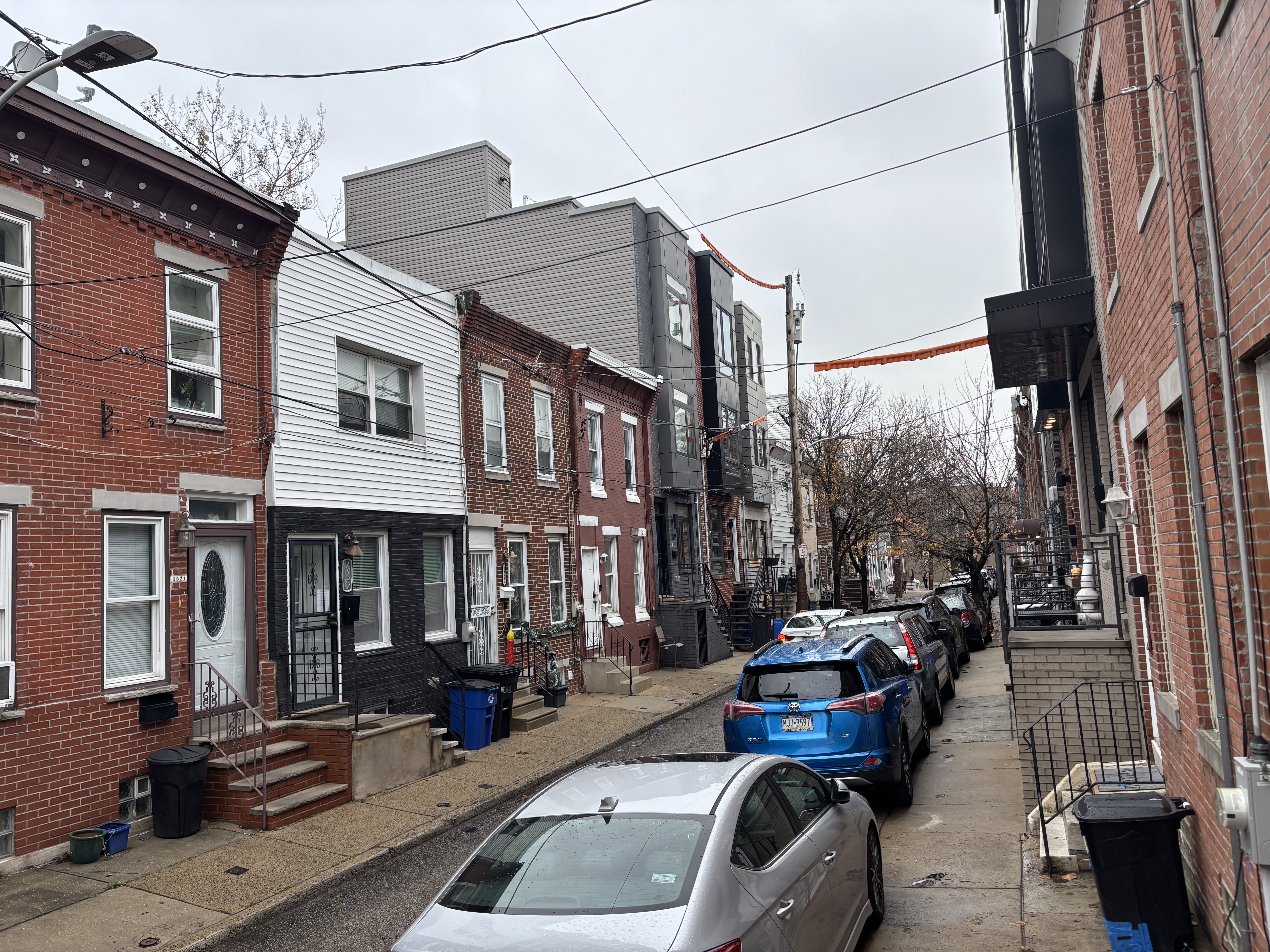
This article was featured in the Philly Plain Dealer Second Print Edition, there are only 10 print copies left.
Reports from 2024 state that Philadelphia’s apartment vacancy rate is over 10%. Data suggests that the city might be able to combat this because of how quickly rentals are being filled in the city, but this still leaves an underserved population of housing insecure philadelphians and a general question of what can this city do for (this population) going to be to do with the amount of vacant lots in the city?
In March, Mayor Cherelle Parker announced her housing plan for introducing and preserving 30,000 new homes to address the city’s housing crisis. In addition to this, the city should take an extra step and reintroduce a housing lottery program. Because, even though there is a plan to get many residents housed, we have not seen the results yet, and even for those that are housed are many that are housed, many residents are spending more than the suggested ⅓ of their income on living expenses, along with food and other essential expenses.
This city has an approximate 69,000 people assisted through its public housing and HCV (Housing choice voucher program) and works with 81,000 residents on affordable housing. Philadelphia County has over 30% of its residents on Snap (Food Stamps) supplements, that’s an approximate 474,962 residents.
Philadelphia had attempted a lottery system program for low income residents who qualified for section 8 vouchers PHA in 2023. Within the first few hours the website crashed, since there were thousands of people waiting for a golden ticket to affordable living. But not everyone received help or even a response. Two years later, where is the progress to show? We are still in a deep housing crisis amidst other expenses, especially if you have children, being more expensive than they ever have been.
With the growing amount of new multi unit high rises in the city I believe it would be in the best interest of the city of Philadelphia and real estate developers to collaborate to fill vacant units in the new developments. Developers can get the tax cuts they want and the city can get its people housed at an affordable rate, as residents need.
The New York City housing lottery program created by the municipal gov’t and in partnership developers helps to offer renovated affordable housing units to new york city residents. The program functions by selecting random participants who apply in a lottery structured system. This system makes housing affordable by offering apartments at below market rates to households that meet the specific AMI requirements, specifically for New York between 30%-130% of the area median income. It is a win-win as developers get a tax break and lower costs loans, and for the city to get more housing provided affordably for its residents.
More recently the NYC government has made affordable housing even more accessible by allowing vacant apartments to be quickly nabbed by advertising them on rental sites and on the city sites as affordable units. The city’s housing department will waive bureaucratic rules on how landlords have to get new tenants into empty affordable-housing units, allowing eligible prospective tenants to apply for the units through websites like craigslist and streeteasy. This is meant to remove red tape that’s led to hundreds of affordable apartments sitting vacant for months and has kept much-needed housing off the market. It’s one of several ways HPD plans to streamline the process of applying to and securing income-restricted subsidized housing, according to officials, via the city.

With the growing number of residents Philadelphia is seeing annually, along with the growing number of developers coming here from cities like Boston and New York purchasing mass plots of land and real estate, the city should partner with current real estate developers and create more additional affordable housing residences or work to fill vacancies in the already built apartment buildings with vacant units sitting empty.
A new lottery system or program could present a slew of opportunities that could help subsidize housing. Especially for our important demographics such as, veterans, elderly residents, low income families, as well as philadelphians who are spending more than half of their monthly income on living due to the rising cost of housing.


Leave a Reply