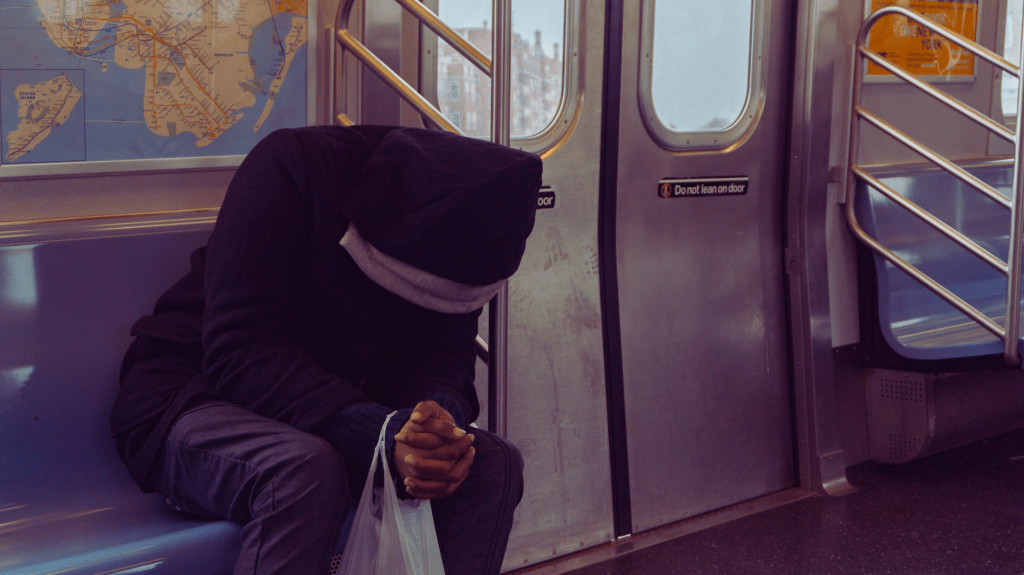
This past Saturday, something felt off as I moved throughout my morning. At first, I shrugged off my discomfort as mere dehydration and arose to fill my water bottle. It takes me a bit longer to get up these days so this was no small feat for me. I did it though and as I slowly sipped from my water bottle, I truly felt how tired I was. How the awareness of the violence I’m seeing and the violence I have experienced has worn me to the bone.
I was overcome with raw emotion and I cried as salty tears flowed from my eyes.
This isn’t a regular occurrence for me. I was taught in the most vulnerable moments of my youth to choke my sorrow down like vomit. I was often told that this expression of hurt was inappropriate and that my pain was emasculating.
This sort of cultural attitude around crying has been reinforced for a long time. Charles Darwin considered cross-cultural differences in the commonality of crying. He said that in Western cultures (specifically English culture) crying was far less common than in non-Western cultures. Alvin Borgquist, an American psychologist from the early 1900s once wrote “Tears are more frequently shed among the lower races of mankind than among civilized people.” This is an illuminating example the belittlement of emotion and crying, especially in those who don’t fit into the boxes instituted through colonial history.
Crying runs much deeper than gender though. A 2014 study suggests that evidence makes the case for crying as a self soothing behavior. Especially when considering crying as an inter-individual function that signals to caregivers that it’s time to do the caregiving.
We often see this behavior in babies too. Usually, when babies are hungry or scared or in pain, crying provides a pathway to comfort and a form of communication with their trusted people. But somewhere along the way, a cultural disconnect ensues.
Is it trauma? Is it the normalization of stoicism in the face of a dangerous society?
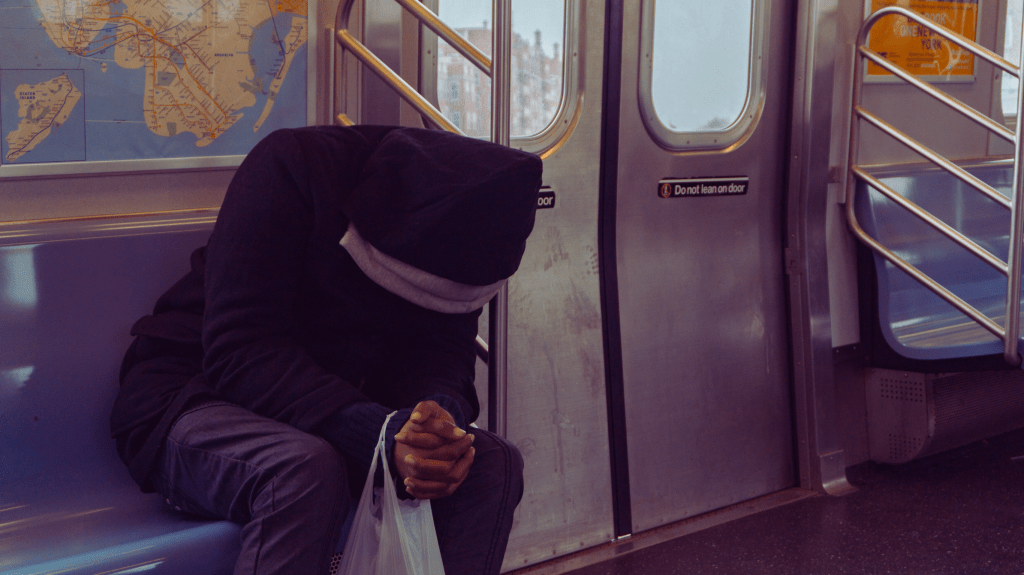
The answers are multifaceted and complex yet still deserve to be uncovered through intentional action and reflection.
So, where do we go in 2025 and beyond? Where being vulnerable is as scary as it’s ever been in modern history. Well, I’d argue that our collective future is wholly dependent on us learning how to hold space for ourselves and others. We need to collaborate in navigating the pain we’re experiencing or else individualism will lead further into the despair we’re wading in. So cry if you want to. If you can. And remember that it’s one of the first skills we learn in our lives for a reason.




 Philly Plain Dealer
Leave a comment