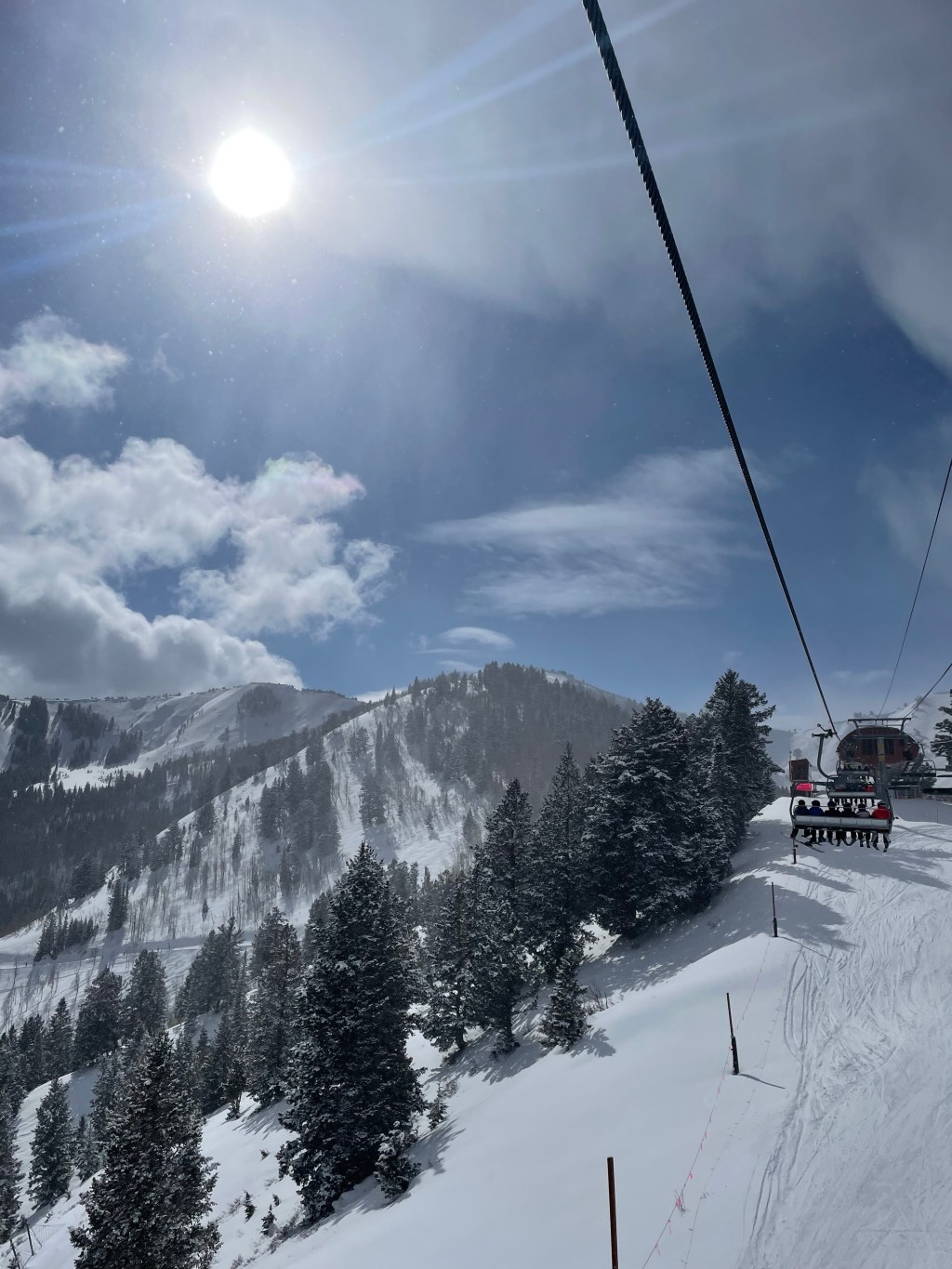
To ski and snowboard you must have time, financial resources, and some knowledge of the activities. Currently in the U.S. due to increased inflation and higher costs of living across the board, winter sports are less accessible than ever as people are prioritizing everyday needs now more than ever.
Expenses for Winter Trips
For many U.S. families and individuals, only 2-3 annual vacations are in the cards. Skiing and snowboarding trips are a luxury. The average day trip lift ticket can cost from $60-$300 dollars daily. For vacation, lodging prices can be upward of $164 or more per day, food can be up to $25-$105 a day, lessons to learn how to ski (depending on which resort) can start from $150-$400 a day, if you are renting ski equipment it can cost anywhere from $150-$1,000 depending on how many days you are on the mountain.
It is worth noting that one can purchase a pass from such companies like Ikon or Epic, that allows you to ski or snowboard at various mountains around the country. However these passes do not come inexpensively either, ranging from $1,000 to $2,500 annually.
If we look at countries in Europe and South America with comparable skiing terrain, it is more affordable to ski there than in the United States. The cost of a day pass to ski in the United States can be almost four times the amount in Europe alone.

(United States and European Lift pass comparison via SnowBrains)
As previously stated, these financial costs can pose a barrier to make any vacation or trip happen (for non-affluent demographics). These financial costs, along with historical racial exclusion and environmental racism, have made it increasingly difficult for people of color, specifically the Black and brown community, to be participate in.
Analysis and the National Brotherhood of Skiers:
In an essay from A.K Harrison “ As of 2003, African American Skiers made up only 2% of the skiing market in the United States.” The analysis presented in this essay summarizes the participation of African Americans in the sport of skiing to shine a light on how social and physical spaces in America are exclusionary towards non-whites. This coupled with factors such as exclusionary planning of resort communities and discrimination toward African Americans that continues today. Harrison addresses environmental racism and the ski industry within American history and how it explains the racial disparity in skiing. This has led to low rates of Black and brown participation and access to skiing. Along with the development of parallel structures like Black ski clubs, which is also associated with recreating within one’s own race, rather than truly integrating, from Harrisons’ perspective.
According to a 2021-22 survey by the National Ski Areas Association “only 1.5% of skiers at resorts were Black – numbers that have hardly changed over the past decade. By comparison, almost 89% of skiers surveyed were white, 5.7% were Asian or Pacific Islander, 5.5% were Latino, and less than 1% were American Indian or Alaska Native, with some respondents selecting more than one race or ethnicity.”
The percentage of Black skiers has stayed, if not declined over the two decades since Harrison’s essay came out. The scarcity of the Black and brown community in skiing needed unity and representation, that’s where the National Brotherhood of Skiers came in. Currently, Henri Rivers is the President of the brotherhood.
“Most mountain communities are small, wealthy, predominantly white and far from the urban centers where many Black people work and live. It takes time, dedication and money to get from those centers to the mountains. And ski gear and lift tickets can be expensive,” said Henri Rivers.
At a time when African Americans in majority white spaces were already a rarity, Ben Finley and Art Clay were not deterred from their vision to create a national summit for Black skiers. The two founders of the brotherhood met in 1972 after being introduced by a mutual friend. They moved forward with a proposal to bring together 13 Black Ski Clubs across the U.S. for an event called “A Happening,” but was later changed to “Black Summit.” The Black Summit would represent Black skiers coming together at the summit of Ajax Mountain. The purpose was “to identify and discuss problems and subjects which were unique to the black skiing population, ski and socialize,” according to Finley.
The first historic gathering took place in Aspen, Colorado in 1973, it was attended by over 350 skiers from all over the country. This club was unanimously embraced by everyone in attendance and sparked the first national organization of Black skiers. The National Brotherhood of Skiers (NBS) was recognized in 1974 and became a non-profit organization in Illinois in 1975 and received its 501(c)3 recognition in 1978. Black Summit 1975 was hosted by the Sno-Gophers Ski Club (the 3rd oldest Black ski club) and was held in Sun Valley, Idaho with over 750 skiers in attendance.
Fast forwarding to today, the brotherhood is still thriving and holding annual summits to bring other chapters of Black skiers together, this years summit took place in Keystone, Colorado.
Pennsylvania Ski Mountains and The Opportunities for Philadelphia Youth in Winter Sports
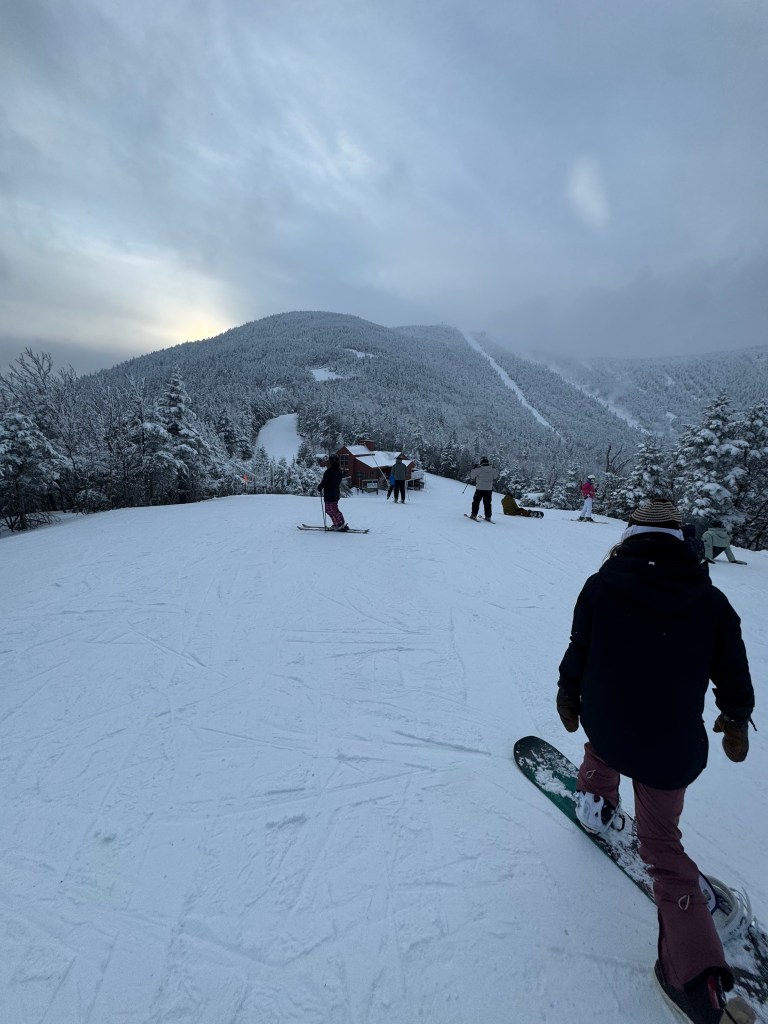
Pennsylvania is a state with over 15 mountains to Ski or Snowboard, but has no programs or affordable opportunities for its Black and brown youth population. I would encourage Philadelphia, as it holds the state’s largest Black and brown community (non hispanic), to review the school system’s $4.5 billion budget and create annual opportunities for Philly youth to get exposure to skiing and snowboarding. It’s one of the only things to do outdoors in the winter and can deter youth from activities they otherwise shouldn’t be involved in.
For children in the United States, a study from hypnotic.data, states that Skiing & Snowboarding is the second most expensive sport totaling up to $2,249.00 annually for a single child. The study cited that lessons portion for the sport were the most expensive part of doing either skiing and snowboarding.
Ski mountains in the United States need to be more accessible to people of color.
Organizations aimed at bridging the gap for Black and Brown youth
While there are nearly not enough programs to support black and brown youth in winter sports and activities, there are few that stand out and try to close the gap.
Association of Africans Living in Vermont:
The Association of Africans Living in Vermont, AALV is an organization who helps refugees and their families of african, burmese descent, iraqi and bhutanese descent acclimate and help navigate to their new community in vermont. In partnership with Sugarbush Resort in Warren Vermont, and grants from Share Winter Foundation, they have been able to create an annual two four week course program on skiing for the BIPOC and refugee youth of a part of the association.
Burton; The Chill Foundation:
The Chill Foundation, created through Burton Snowsports and other partners, is aimed at getting people of color (more specifically BIPOC youth) in the outdoor space. The foundation is also aimed at addressing the lack of representation of Black, Indigenous, and other People of Color (BIPOC) in the boardsports community. They do this by increasing access and connecting Chill participants and alumni to career pathways in the outdoor industry.
Hoods to Woods:
The Hoods to Woods Foundation was co-founded in 2009 by Brian PauPaw and Omar Diaz, two friends who grew up in New York City. The organization’s mission is to create and promote access for city youth to get outdoors and enjoy winter sports through snowboarding.
Note: For this article, I reached out to the National Brotherhood of Skiers for input in regards to this article and did not get a response. Additionally, I reached out to Vail resorts, Ikon and Epic for demographic information, but did not hear from these recipients.

 Philly Plain Dealer
Leave a comment